GEO
B2B Product Page GEO: Specifications, Use Cases and Evidence
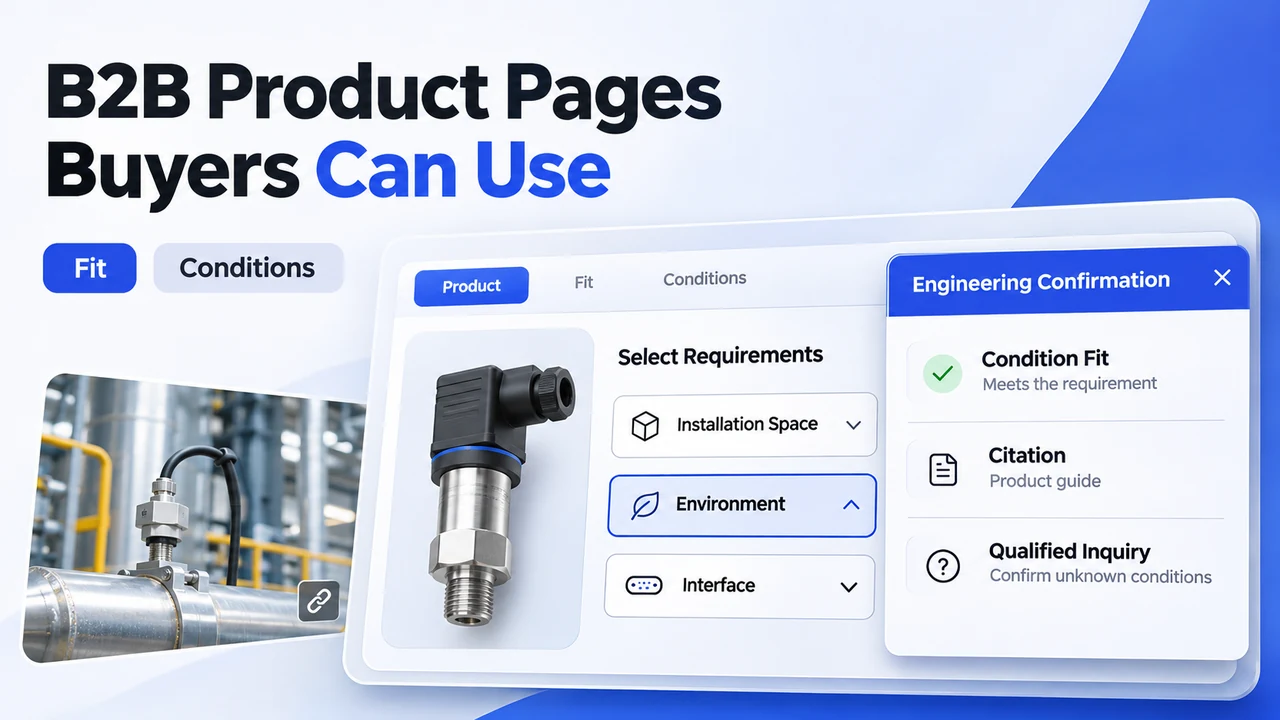
When buyers compare suppliers, they need to understand product fit, specifications and the questions that remain before an order. B2B product page GEO starts with making that information usable. This guide gives product, sales and website teams a shared workflow for improving a page, without treating AI citations as a guaranteed outcome.
1. Choose one product family and build a fact sheet
Start with a product family that already receives relevant inquiries and has reliable documentation. Record model names, intended uses, specification versions, test conditions, certification scope, delivery coverage and an accountable owner. Separate confirmed facts from items requiring engineering review. Include document dates so the website, sales materials and downloadable files can be reconciled when a model changes.
2. Explain units, conditions and purchasing implications
A number without its context can be misleading. Put units, measurement conditions and applicable models beside important specifications. Distinguish peak from continuous performance, and avoid extending one model’s test result to an entire range. Link to a dimensional drawing, report or manual where it supports a buying decision. Give the file version and explain what the buyer should check, rather than offering an unexplained download library.
3. Describe applications and their limits
Organize application information as a requirement, a supported capability and a condition to confirm. Installation space, operating environment and interface requirements may all change suitability. If temperature, materials or certification requirements still need review, make that explicit. The page should help a buyer prepare a useful inquiry; it should not imply that a generic application paragraph replaces engineering assessment.
4. Replace broad claims with verifiable answers
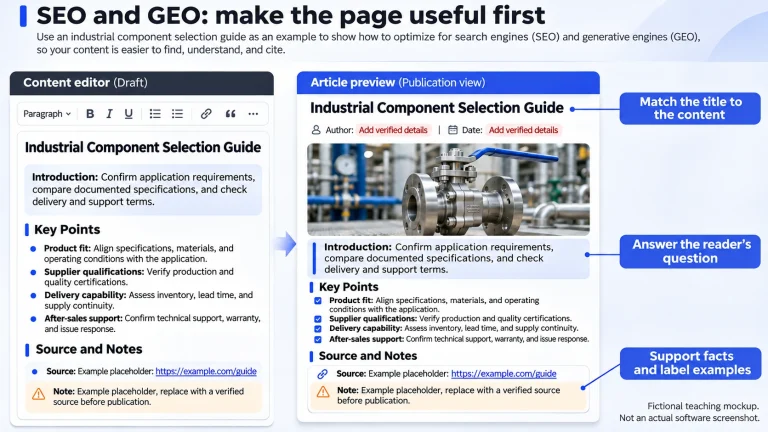
Consider this fictional writing example, not a real product or AUROO Digital client result. “We supply efficient, reliable industrial pumps” gives buyers little to assess. A more useful structure is: “Model P is intended for the conditions listed in its specification. Before selection, send the required flow, head, medium and operating conditions for engineering review. See the specification for parameters and test conditions.” Replace every placeholder with verified information before using it on an actual product page.
5. Check readable content and search fundamentals
Google’s guidance for its AI search features emphasizes established SEO practices rather than special AI files or markup. Make important product information available as text, link to the page internally, and verify crawl and indexing settings. Structured data should match visible content. Search Console can help diagnose indexing issues. This guidance concerns Google; other AI services have their own rules, and meeting technical requirements does not guarantee indexing or citation.
6. Observe consistent questions and review the facts
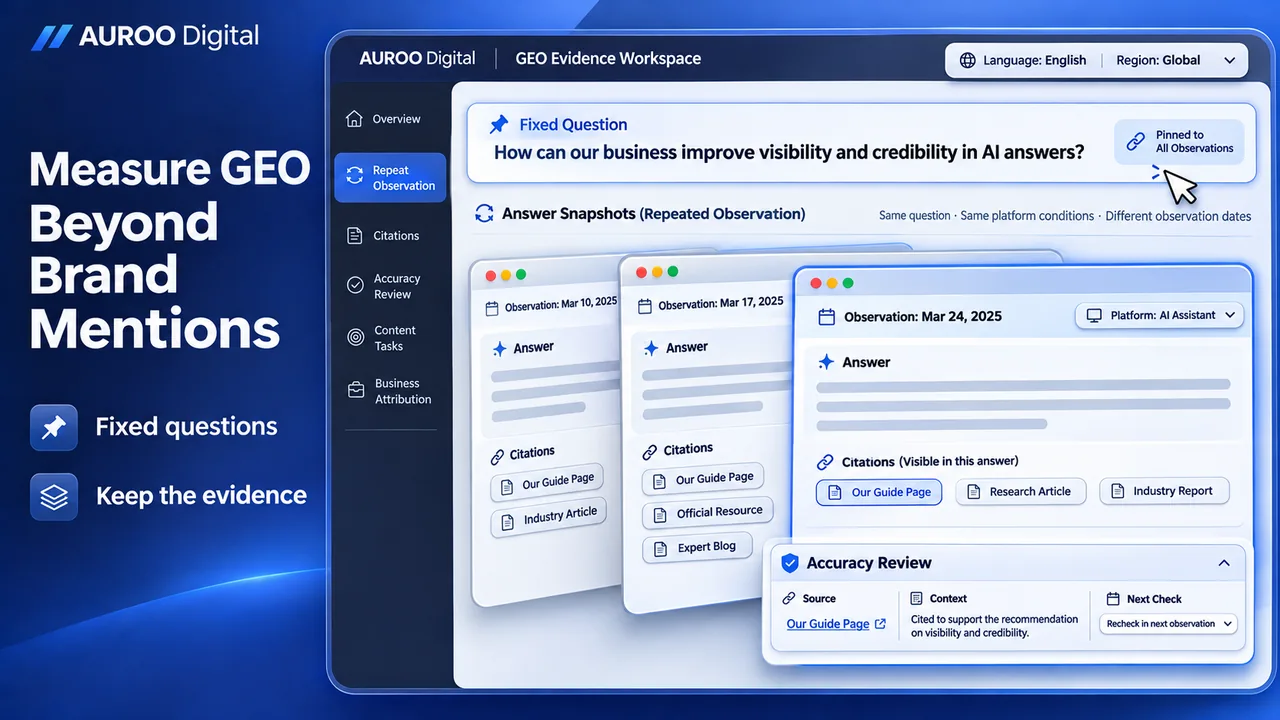
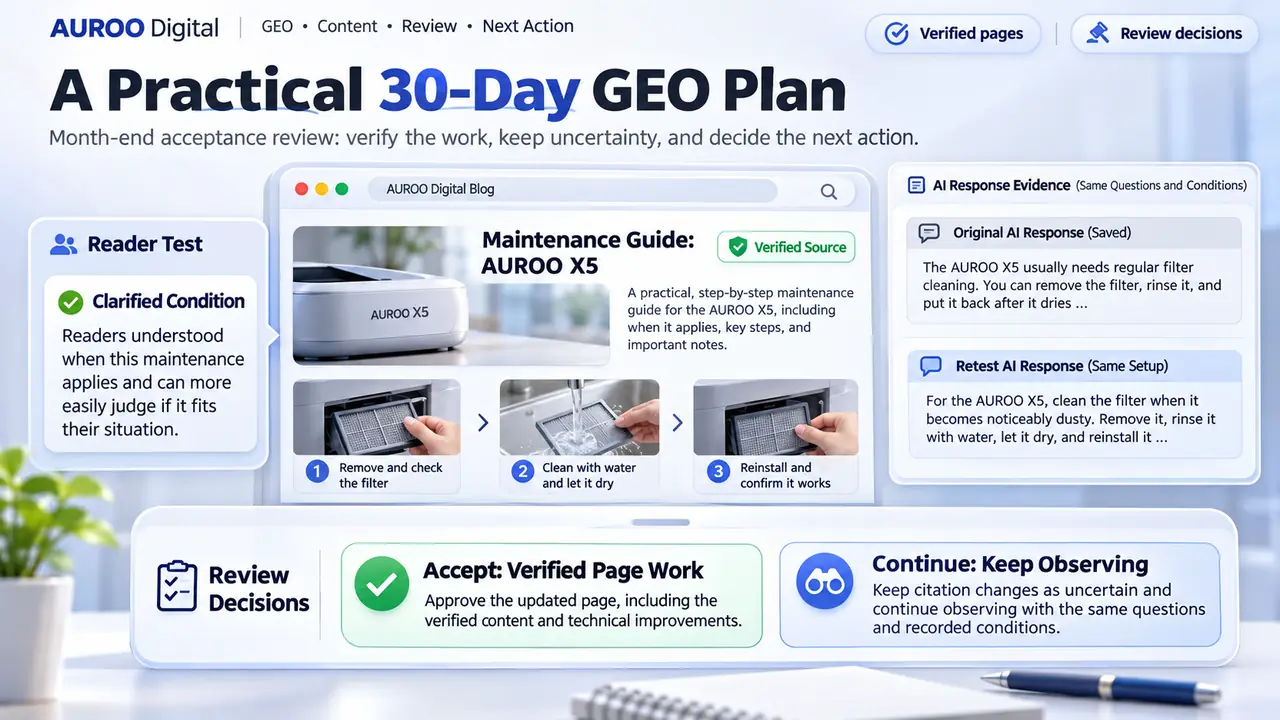
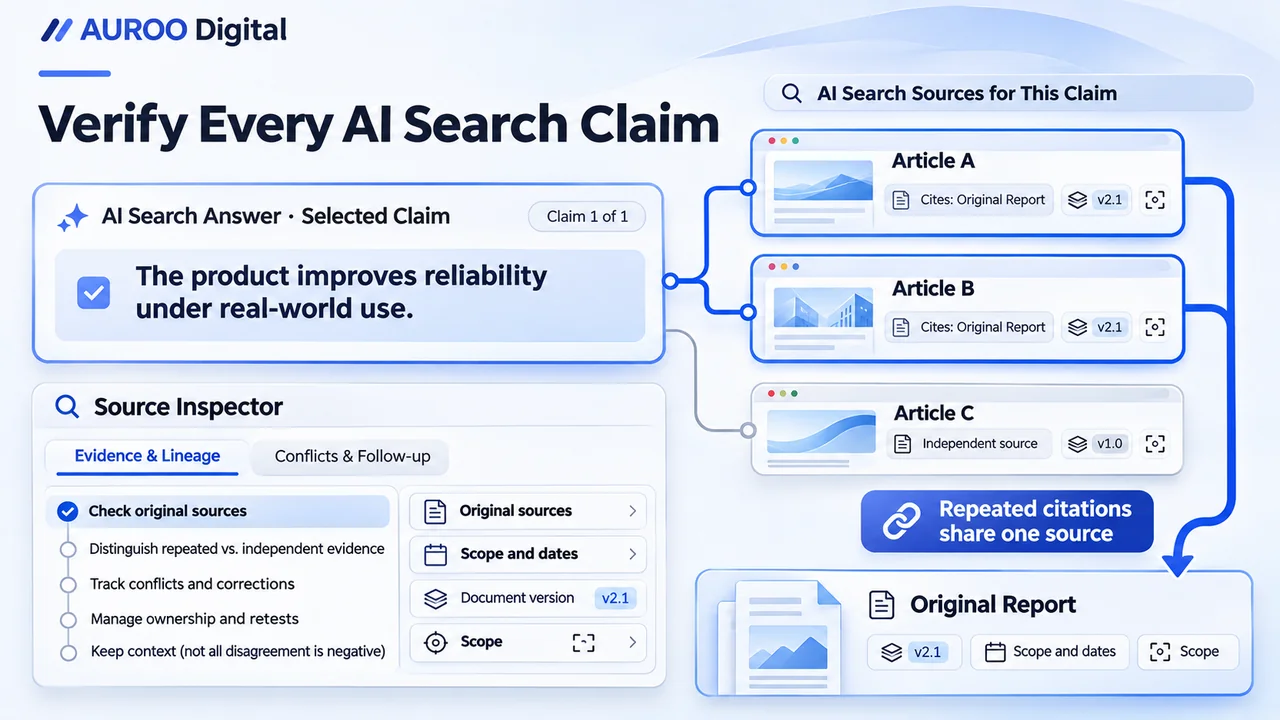
Maintain a small set of purchasing questions and log the platform, language, location, date, answer and cited URL. Track brand mentions, factual accuracy, citations and qualified inquiries separately. One changed answer does not establish that your edit caused an improvement. Trace an error to the product page, an outdated PDF or a third-party source before changing content. Review the record whenever specifications or supported markets change.
Implementation checklist
- Reconcile model names, units, conditions and file versions.
- Support performance claims or state their limits.
- Describe use cases and questions requiring confirmation.
- Check readable text, internal links and indexing settings.
- Record an owner, revision date and observation log.
Frequently asked questions
Will adding an FAQ secure AI citations?
No. An FAQ can answer real purchasing questions, but it cannot guarantee citations. Verify product facts, page accessibility and relevance to the question.
Should every product page be rewritten at once?
Start with one family, establish review ownership, and expand using inquiry quality, maintenance effort and observed problems.
Sources checked on November 5, 2026. The practical workflow and fictional examples are AUROO Digital editorial guidance.