SEM
Marketing Data Analysis: Use Media Intelligence to Allocate Budget
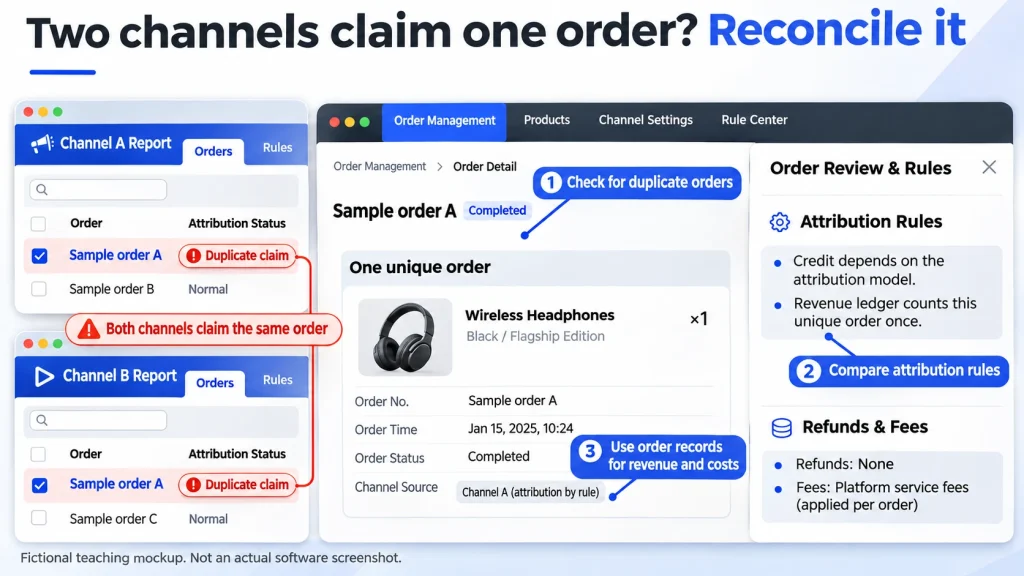
Two channels claim the same order. One report shows a falling cost per lead while sales says those leads cannot be contacted. The difficult part of a budget meeting is often knowing which numbers support a decision.
Marketing data analysis should begin with consistent definitions of orders, revenue and qualified inquiries. Media intelligence becomes useful when it helps the team decide what to keep, what to pause and what to test next.
First ask whether the reports measure the same thing
Is revenue net of refunds? Has sales confirmed lead quality? Do costs include creative production and service fees? Platforms may each claim credit for one conversion, so adding reported totals can double count the underlying business result. Reconcile them against unique orders or CRM outcomes.
Attribution assigns credit under a model. It does not independently prove that a sale would not have happened without advertising. Search, social, email and offline conversations may all contribute. Significant budget decisions need additional evidence, such as suitable comparison tests and an understanding of business changes.
Our view is that a report earns its place by helping someone act. If dozens of charts leave the team unsure which channel or page needs attention, simplify the report.
Then ask where the process is failing
Limited reach calls for a review of targeting and scope. Weak response to an ad calls for a review of its relevance. Visits without action call for a review of the page and offer. Leads that do not progress call for a review of eligibility and sales follow-up.
Connect each diagnosis to evidence and an owner. Calling every problem “poor channel performance” hides the downstream work needed to improve the result.
Finally ask what extra budget is meant to test
With audience and destination conditions reasonably stable, a limited budget change can help investigate qualified inquiry volume and acquisition cost. Record concurrent promotions, seasonality, sales capacity and other channel changes. Small samples or unstable conditions provide preliminary indications, not established causation.
A useful report should explain what continues, what pauses and what will be verified. Google’s helpful content guidance can support checking whether the destination answers the intended reader’s needs. It does not prove that a particular budget allocation will generate growth.
The lowest current acquisition cost does not automatically deserve all the extra budget. Ask whether that channel can bring additional customers of comparable quality as spending increases.
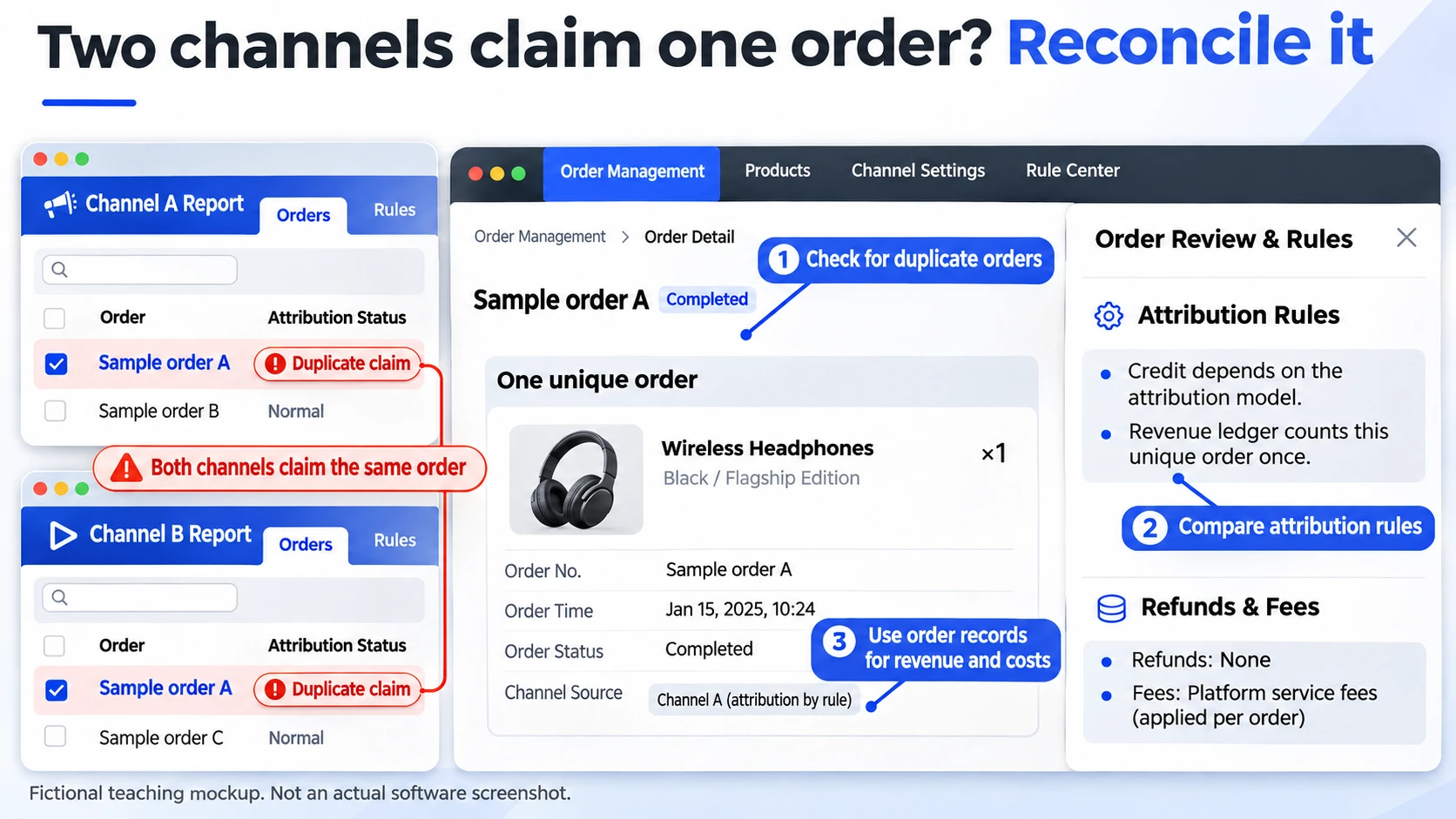
When two channels claim the same order
First confirm that the order is unique in the business system. Then compare the reporting windows and attribution rules that produced each claim. A model may allocate credit across channels while the revenue ledger still counts one order once.
Google Analytics documentation on campaign URLs explains using UTM parameters to identify campaign traffic. Agree naming conventions for source, medium, campaign and creative material. These labels improve source interpretation; they do not establish incremental revenue or capture every cross-device and offline interaction.
At your next budget meeting, agree on the business question before debating the amount to spend. For help connecting acquisition reporting with website and lead quality, contact AUROO Digital.